The Thrills of Horse Racing An Unblocked Passion

The Thrills of Horse Racing: An Unblocked Passion
Horse racing has captivated audiences for centuries, offering excitement, drama, and the chance to witness extraordinary athleticism. From the thundering hooves of thoroughbreds to the roar of the crowd, the sport evokes a sense of thrill that few other activities can match. While there are various aspects to explore, including the horses, the riders, and the various types of races, one reason this sport remains popular and unblocked by challenges is its rich history, community involvement, and the continuous evolution it embraces. Learn more about the fascinating collaboration of law enforcement and equine activities via horse racing not blocked by GamStop https://merseysidepolicemounted.uk/.
A Brief History of Horse Racing
Horse racing can be traced back to ancient civilizations, with evidence of competitive racing appearing in the Greek Olympic Games as early as 648 BC. As the passion for this sport spread, it took on various forms, from informal town races to the organized events we see today. The establishment of the Jockey Club in England in the 18th century marked the beginning of formalized horse racing rules and standards, emphasizing both the sport’s integrity and the importance of breeding thoroughbred racehorses.
Types of Horse Racing
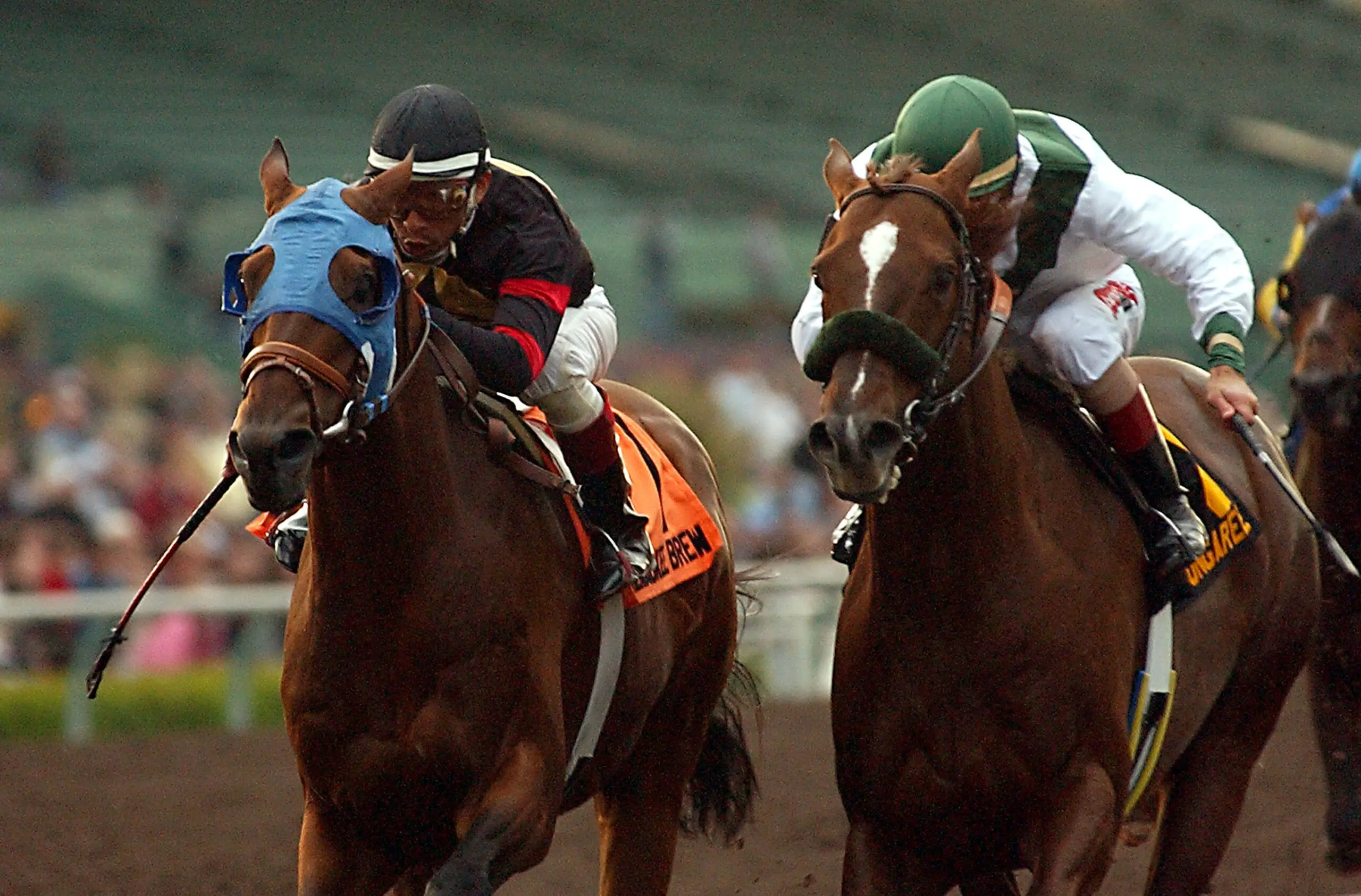
Horse racing is diverse, encompassing numerous types of races that cater to different preferences. The most commonly known types include:
- Flat Racing: Run on flat tracks, this type often showcases thoroughbreds and is characterized by speed over timing.
- Jump Racing: Involves obstacles; horses must leap over fences or hurdles, showcasing not only speed but also agility and endurance.
- Harness Racing: Features horses pulling sulkies, focusing on the horse’s endurance and pacing skills.
- Endurance Racing: A test of stamina, these races can span several miles, requiring both horse and rider to maintain a steady pace over lengthy distances.
The Community and Culture of Horse Racing
Beyond the race itself, horse racing creates a vibrant community. Fans, trainers, breeders, and owners engage with one another, forming bonds that enhance the sport’s charm. Events like the Kentucky Derby, Royal Ascot, and Prix de l’Arc de Triomphe are not just races; they are social gatherings, drawing people from different walks of life. Attending a race often turns into an experience filled with camaraderie, as bettors cheer for their favorites, families celebrate milestones, and relationships are cultivated over shared interests.

Challenges in Horse Racing
Despite its long-standing popularity, horse racing faces challenges, from concerns about animal welfare to betting regulations. In recent years, the discussion around the ethical treatment of racehorses has gained traction, leading to heightened scrutiny. Advocates strive for greater transparency, better care protocols, and the regeneration of horses post-racing. However, amidst these challenges, the passion for the sport and the bonds formed between horses and humans remain unbreakable.
Impact of Technology in Horse Racing
In the modern era, technology plays an essential role in horse racing. Advances in data analysis tools, GPS tracking, and veterinary care have transformed how races are prepared for and conducted. Owners and trainers can now access detailed performance metrics, allowing for data-driven decisions that enhance the chances of winning. The integration of streaming services has also opened up the sport to wider audiences, enabling fans to keep up with races from anywhere in the world.
Horse Racing: A Global Phenomenon
Horse racing is not limited to one region or culture; it has become a global phenomenon. Each country has its unique traditions and styles that flavor the sport. For instance, Japan’s horseracing scene has grown tremendously, featuring their own sets of unique events and incredibly devoted fans. Meanwhile, countries in the Middle East and Asia invest heavily in horse racing as a symbol of prestige and wealth, resulting in lavish events and a focus on breeding elite thoroughbreds.
Future of Horse Racing
The future of horse racing looks promising as it adapts to changing societal views and advancements in technology. The integration of animal welfare practices, more stringent regulations, and a focus on community engagement can help maintain the sport’s integrity while drawing in new enthusiasts. Furthermore, as betting regulations evolve, more fans could participate, thus supporting the industry in various capacities.
Conclusion
Horse racing remains an enduring spectacle that combines thrill, skill, and an undeniable bond between rider and horse. While the sport faces its challenges, both societal and ethical, its rich history and communal spirit keep it flourishing. As we move forward, the adaptability of horse racing ensures that the passion for this remarkable sport remains unblocked, allowing generations to continue cherishing it.