The Complex World of Buying Reviews A Double-Edged Sword

The Complex World of Buying Reviews: A Double-Edged Sword
In the age of the internet, Buy Reviews https://reputro.com has become an essential resource for businesses aiming to enhance their online presence. Among the various tactics employed to improve visibility and credibility, the practice of buying reviews has emerged as one of the most controversial. This article will delve into the nuances of buying reviews, highlighting the potential advantages and significant pitfalls associated with this practice.
Understanding the Concept of Buying Reviews
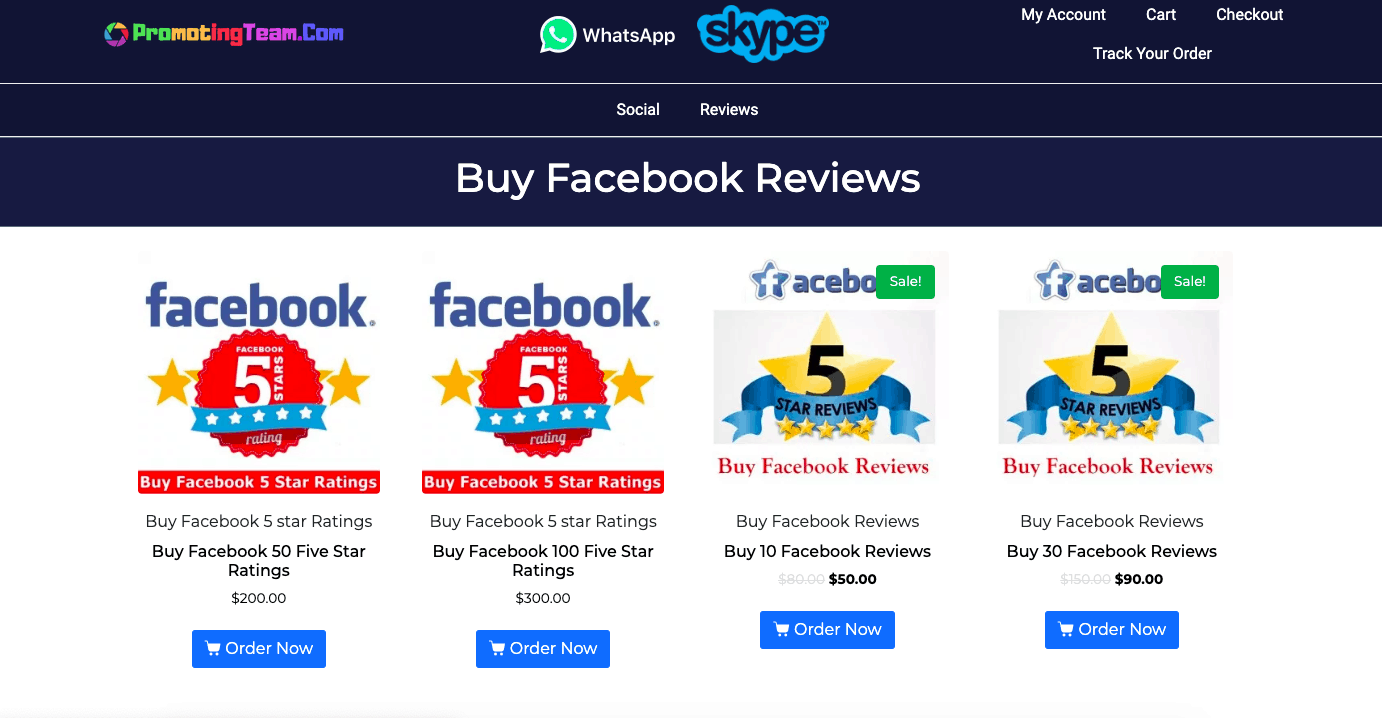
Buying reviews involves companies purchasing positive feedback for their products or services. While some may view this approach as a shortcut to boosting their reputation, it raises fundamental questions about authenticity and ethics. Are these evaluations genuine reflections of customer experiences, or are they manufactured endorsements designed to mislead potential buyers?
The Attraction of Positive Reviews
In the competitive landscape of e-commerce, having a substantial number of positive reviews can significantly influence consumer decisions. Studies have consistently shown that customers are more likely to trust products with favorable ratings. This societal reliance on reviews has sparked the temptation for businesses to artificially inflate their ratings, thereby increasing their market share. However, the short-term gains often come at a considerable cost.
Psychological Factors at Play
From a psychological standpoint, people tend to follow the crowd—often referred to as “herd mentality.” When consumers see a product with a plethora of positive reviews, they are more inclined to purchase, thinking that if so many others endorse it, it must be worthy. This social proof is what drives many companies to consider buying reviews as an effective marketing strategy.
The Ethical Dilemmas
Buying reviews poses significant ethical dilemmas. When businesses engage in this practice, they breach the trust of consumers who are seeking truthful insights before making a purchase. In doing so, they undermine the integrity of review platforms, creating an environment where genuine feedback may be overshadowed by counterfeit narratives. This practice not only misrepresents the products but can also damage the credibility of brands in the long run.
Legal Implications
Moreover, buying reviews can attract legal repercussions. Many jurisdictions have enacted laws that penalize deceptive advertising practices, including the solicitation of fake reviews. If a business is caught engaging in these practices, it risks hefty fines, lawsuits, and significant damage to its reputation. Therefore, any short-term gains from purchasing reviews can quickly turn into long-term losses.
Exploring Alternatives to Buying Reviews
Rather than resorting to buying reviews, businesses should focus on ethical tactics to garner genuine feedback. Here are some effective strategies:
- Encourage Honest Feedback: Invite customers to share their experiences through follow-up emails, feedback forms, or incentives for honest reviews.
- Improve Customer Experience: Providing exceptional service will naturally lead to positive reviews. Focusing on customer satisfaction is a sustainable way to build a reputation.
- Engagement on Review Platforms: Actively managing online listings on platforms like Google, Yelp, and industry-specific websites helps create a real dialogue with customers.
- Leverage Influencers: Partnering with influencers can provide authentic exposure to a broader audience, enhancing credibility without resorting to deception.
The Consequences of Buying Reviews
Investing in fake reviews may seem convenient, but the consequences often outweigh the benefits. Here are some potential repercussions:
- Loss of Consumer Trust: Once customers discover a business has engaged in deceptive practices, their trust is irrevocably damaged. Recovering that trust can be a monumental task.
- Increased Scrutiny: Companies found buying reviews often face increased scrutiny from both consumers and regulatory bodies. This can lead to further reputational damage.
- Negative Impact on SEO: Search engines like Google are wise to deceptive practices and may penalize companies using fake reviews in search rankings.
Conclusion
In summary, while the allure of buying reviews can be strong for businesses looking to quickly enhance their online credibility, the risks and ethical implications far outweigh any potential benefits. Authenticity in consumer feedback is paramount—the trust and loyalty of consumers are hard-won and easily lost. Focusing on genuine customer experiences, improvement in service, and ethical marketing practices will ultimately lead to sustainable growth that doesn’t compromise on integrity. Businesses that prioritize transparency and honesty not only secure their reputation but also contribute positively to the online marketplace, fostering an environment where trust reigns supreme.