The Rise of Social Gaming Connecting Players Across the Globe
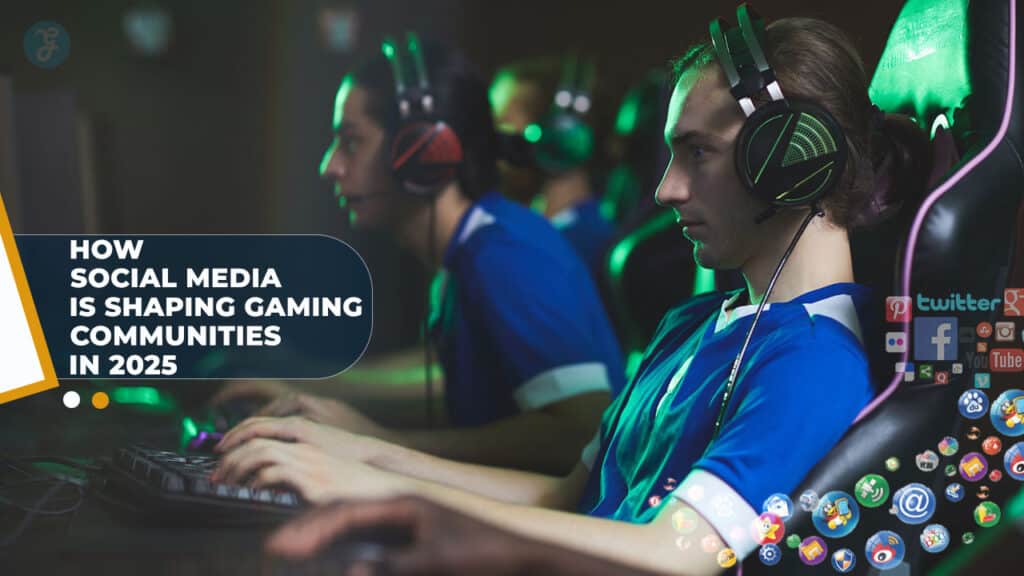
The Rise of Social Gaming: Connecting Players Across the Globe
In recent years, https://socialgaming.fun/ social gaming has taken the world by storm, transforming the way people interact, compete, and collaborate online. Far beyond just a form of entertainment, social gaming has created a vibrant ecosystem where players from diverse backgrounds can come together, forge friendships, and celebrate their passions. In this article, we will delve into the various facets of social gaming, its impactful evolution, and how it continues to shape the future of online interactions.
The Evolution of Social Gaming
Social gaming has evolved radically since the early days of simple browser-based games. Initial iterations, such as “FarmVille” and “Zynga Poker,” introduced the idea that games could be enjoyed not just solo but in a community environment. These games relied on social networking platforms like Facebook to connect players, allowing them to invite friends, share achievements, and collaborate on in-game goals. The vibrant multiplayer experiences brought a new layer of enjoyment, making games more engaging and socially interactive.
Today, social gaming encompasses a wide array of platforms and genres, from casual mobile games to competitive console-based eSports. Games like “Fortnite” and “Among Us” have taken the social gaming model to unprecedented heights, enabling complex interactions that blend socialization with dynamic gameplay. Players can now communicate via voice chat, form squads, and even host in-game events, further blurring the lines between gaming and social networking.
Fostering Connections and Community
One of the primary reasons for the rapid growth of social gaming is its ability to create communities. Online gaming fosters togetherness among players who may never have met otherwise. A study conducted by the Pew Research Center highlighted that 70% of gamers report that they have formed strong friendships through games. These connections often extend beyond the digital realm, leading to real-life meetups, gaming conventions, and online forums where players continue to interact.
Furthermore, social gaming has played a pivotal role in bridging cultural and geographic divides. Players across different parts of the world can connect, collaborate, and compete, creating a global camaraderie that transcends borders. Language barriers are often mitigated through the universal language of gaming, as players unite around shared objectives and interests.
The Role of Technology in Social Gaming
The advancements in technology have significantly influenced the evolution of social gaming. With the rise of high-speed internet access, smartphones, and gaming consoles capable of supporting complex online interactions, the gaming landscape has transformed. Multiplayer functionalities are now seamlessly integrated into many games, providing real-time interactions that enhance the gaming experience.
Virtual reality (VR) and augmented reality (AR) are emerging technologies that promise to revolutionize social gaming further. VR environments allow players to immerse themselves in shared spaces, interacting with others as if they were in the same physical location. Games like “Rec Room” and “VR Chat” illustrate this potential, inviting players to engage with each other in a fully realized 3D world. The blend of social interaction and immersive gameplay opens new avenues for connection and creativity.
Challenges and Concerns
Despite the tremendous benefits that social gaming offers, there are also challenges and concerns that need to be addressed. Issues such as cyberbullying, addiction, and the potential for toxic behavior online can detract from the overall experience. Game developers are increasingly aware of these issues and are implementing tools and policies to promote a healthier gaming environment.
Additionally, the rise of microtransactions and pay-to-win models in social gaming has garnered criticism. Players may feel pressured to spend money to compete effectively, which can create disparities and affect social dynamics within games. As the social gaming landscape evolves, it remains essential for developers and players alike to advocate for fairness and inclusivity within gaming communities.
The Future of Social Gaming
Looking ahead, the future of social gaming is promising. With ongoing technological innovations and a growing emphasis on community engagement, we can anticipate even more interactive and immersive experiences. The integration of artificial intelligence (AI) in gaming could lead to personalized gameplay experiences tailored to individual players while enhancing NPC (non-player character) interactions and behavior.
Furthermore, the rise of decentralized gaming platforms powered by blockchain technology could redefine ownership and reward systems in social gaming. Players may have greater control over in-game assets, which could foster even stronger participation and investment within digital worlds.

Conclusion
In summary, social gaming has emerged as a powerful vehicle for connection and community-building, evolving alongside technological advancements and changing player expectations. Whether you’re a casual player or a competitive enthusiast, the social gaming landscape offers something for everyone, inviting players to connect, collaborate, and enjoy shared experiences. As we continue on this journey, it’s clear that social gaming will play a crucial role in shaping the future of interpersonal interactions in the digital age. Embracing this evolution promises not just fun and entertainment, but also lasting friendships and a sense of belonging in an ever-connected world.