The Rise of Social Gaming Connecting Players Worldwide 690639818

The Rise of Social Gaming: Connecting Players Worldwide
In recent years, social gaming has emerged as a dynamic force in the gaming industry. This trend has transformed the way we interact with games, making them not just a means of entertainment, but also a platform for social interaction. The concept of social gaming encompasses a wide range of experiences, from multiplayer online games to mobile applications designed to foster community. Through these platforms, players can connect, compete, and collaborate with one another, often cultivating friendships that extend beyond the digital realm. If you want to explore more about social gaming trends and communities, visit https://socialgaming.fun/.
What is Social Gaming?
At its core, social gaming involves games that encourage interaction among players. This can include traditional multiplayer games, such as first-person shooters or sports simulations, as well as social network games played within platforms like Facebook. These games often utilize features such as chat systems, cooperative missions, and leaderboards to create a communal experience. Rather than isolating players, social gaming engages them, fostering a sense of belonging and teamwork.
The Impact of Social Gaming on Player Communities
The impact of social gaming on player communities cannot be overstated. These games create virtual environments where players can share experiences, strategies, and camaraderie. Players often form guilds or clans, participating in group activities and supporting one another in their gaming endeavors. This sense of community enhances player engagement, leading to longer play sessions and increased loyalty to specific games and platforms.
Moreover, social gaming allows for diverse representations of cultures and identities, making it possible for players from different backgrounds to connect and collaborate. This cultural exchange not only enriches the gaming experience but also promotes inclusivity and understanding among players.
Evolving Trends in Social Gaming
As technology continues to evolve, so does the landscape of social gaming. Several key trends have emerged that are shaping the future of this industry:
- The Rise of Mobile Games: With the advent of smartphones, mobile games have skyrocketed in popularity. Titles like “Among Us” and “Clash of Clans” allow players to not only enjoy gameplay but also engage with friends and family irrespective of their location.
- Integration of Virtual Reality (VR) and Augmented Reality (AR): VR and AR technologies have introduced immersive social gaming experiences like “Rec Room” and “Pokemon GO.” These innovations enable players to interact with one another in new and exciting ways.
- Streaming and Influencer Culture: Platforms like Twitch and YouTube Gaming have changed how we consume and engage with games. Gamers now not only play together but also watch and learn from influencers, further enhancing community engagement.
- Cross-Platform Play: The ability to play together across different gaming systems is becoming increasingly common. Gamers are no longer confined to their consoles or devices, making social interactions more accessible.
Benefits of Social Gaming
Engaging in social gaming offers numerous benefits for players. Firstly, these games often serve as a stress-relieving outlet. Players can escape from daily pressures and enjoy a sense of achievement through their gameplay. Additionally, social gaming promotes teamwork and communication skills, which can be valuable in real-life situations.
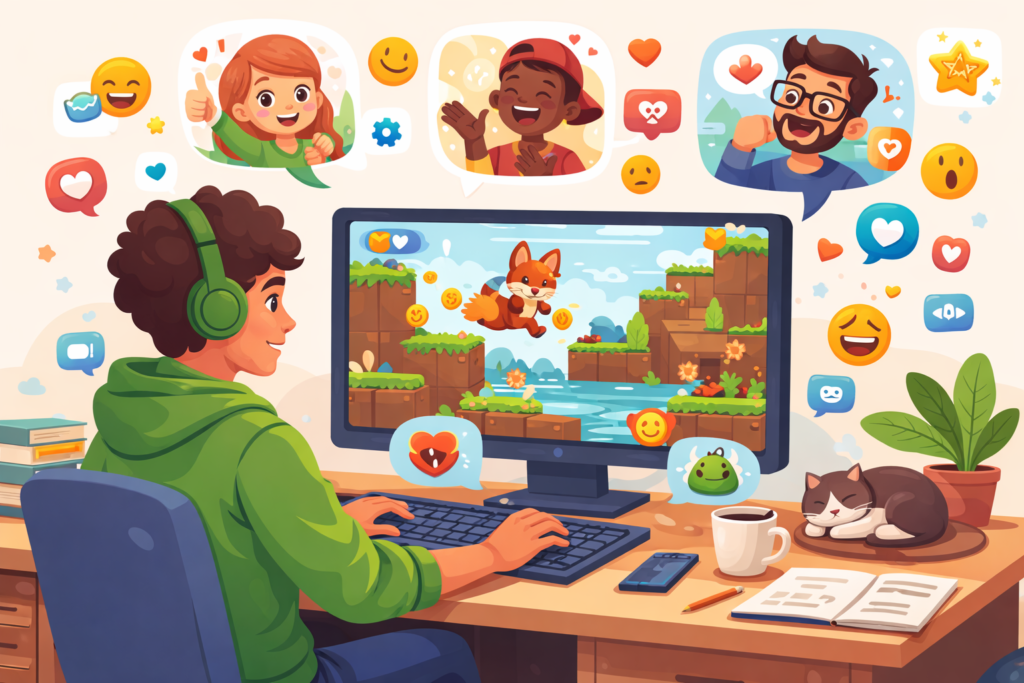
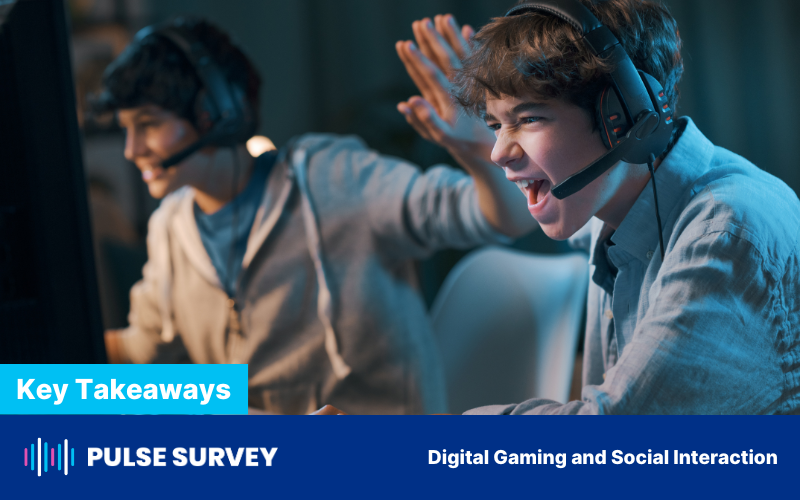
Furthermore, social gaming can contribute to mental health by providing a sense of community. For individuals who may feel isolated or disconnected in their daily lives, online gaming communities can offer meaningful connections and support. This is particularly important in times of crisis, such as during the COVID-19 pandemic, when traditional social interactions were limited.
Challenges in Social Gaming
Despite its many advantages, social gaming is not without challenges. Issues such as online harassment and toxic behavior can create hostile environments, undermining the positive aspects of community building. Game developers must continually work to mitigate these issues by implementing robust moderation systems and promoting respectful interactions among players.
Additionally, the addictive nature of gaming can lead to excessive play, which may impact players’ real-life relationships and responsibilities. Striking a balance between gaming and other aspects of life is crucial for maintaining the benefits of social gaming without experiencing negative consequences.
The Future of Social Gaming
Looking ahead, the future of social gaming appears bright. As technology advances, so will the possibilities for providing immersive and inclusive experiences. The continued development of VR and AR will likely lead to deeper social interactions within games, while cross-platform capabilities will enhance accessibility.
Moreover, game developers are increasingly recognizing the importance of community engagement. By incorporating player feedback and fostering inclusive environments, they can create games that resonate with diverse audiences. The integration of social features will continue to be a focus, ensuring that players feel connected to one another and to the game itself.
Conclusion
In conclusion, social gaming has transformed the gaming landscape, creating communities that transcend geographical boundaries and build meaningful connections among players. Through evolving trends, benefits, and challenges, social gaming reflects a significant cultural shift in how we perceive and engage with games. As we move forward, it will be exciting to see how this dynamic form of entertainment continues to shape our interactions and experiences within the gaming world.